


Layering clothing is more than putting on multiple pieces. It is an art form that can transform a simple wardrobe into a stylish, versatile collection. When done correctly, layering adds depth, dimension, and personality to any outfit. It allows for adaptability in changing weather, creates flattering silhouettes, and makes even the simplest pieces look intentional and polished.
Mastering layering is about understanding balance, proportion, texture, and colour. It is about knowing which items complement each other and how to combine them for both comfort and style. Whether building outfits for work, casual weekends, or special occasions, layering is an essential skill that elevates fashion from functional to expressive.
This guide explores the principles behind expert layering tips. It highlights examples of how to mix textures, patterns, and accessories to achieve outfits that look curated by a stylist.
Why Layering Outfits Matters
Functional Benefits
Layering is functional and aesthetic. On a practical level, it allows adjustment to temperature changes throughout the day. Lightweight pieces under a coat or cardigan can be added or removed for comfort without compromising style. Layers also enhance a wardrobe’s versatility. By combining items in different ways, the same pieces can feel fresh and new, avoiding repetitive looks.
Aesthetic Benefits
From an aesthetic perspective, layering adds depth. It creates visual interest through contrasting textures, complementary colours, and varied lengths. It can emphasise or minimise certain body areas depending on the silhouette and garment choice. Fashion stylists use layering to make outfits appear intentional and sophisticated, turning everyday clothing into statement looks.
Start With a Base Layer
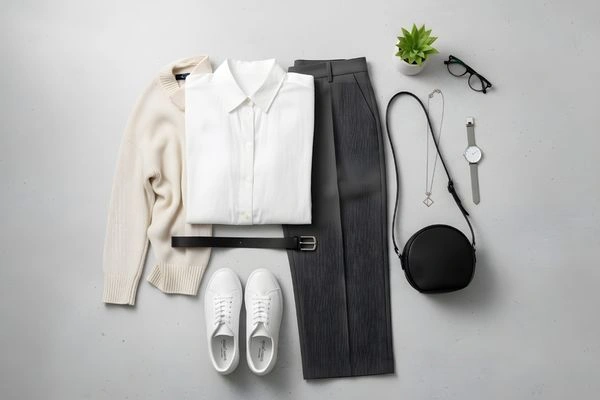
The base layer serves as the foundation of any layered outfit. It remains fitted, comfortable, and typically neutral in colour. Examples include a slim t-shirt, tank top, blouse, or lightweight long-sleeve. A fitted base layer creates a clean canvas for additional layers while keeping bulk to a minimum.
Neutral tones such as black, white, beige, or soft pastels work well as a base because they can blend seamlessly with other layers. For patterned or colourful pieces, a simple base layer keeps the outfit from feeling overwhelming.
For colder weather, thermal tops or thin knitwear serve as functional base layers that remain sleek. In warmer months, a light camisole or cotton shirt allows flexibility without adding unnecessary weight.
Add a Middle Layer for Dimension
The middle layer provides both warmth and style. This can be a sweater, a vest, a button-down shirt, or a lightweight jacket. It is the element that begins to define the look, adding colour, pattern, or texture while maintaining balance with the base layer.
When layering shirts, opt for different lengths. A slightly longer shirt under a cropped sweater creates a visually appealing contrast. Similarly, a button-down under a pullover or a vest over a fitted top adds depth without bulk.
Textural variety in the middle layer is also key. Soft knit, wool, silk, and lightweight denim or corduroy bring dimension and tactile interest. Mixing textures ensures each layer stands out rather than blending into a flat, unremarkable outfit.
Incorporate an Outer Layer for Structure
Outer layers provide structure and polish to an outfit. Coats, blazers, long cardigans, and trench coats create a final silhouette that elevates the entire look. This layer often defines the outfit’s statement and can be used to play with proportions.
For example, a tailored blazer over a flowing top and fitted jeans balances volume while highlighting the waist. A long coat over cropped trousers adds sophistication while drawing attention to footwear. Even casual outerwear, like a denim jacket or utility jacket, can transform a layered outfit when paired with complementary textures underneath.
The outer layers are ideal for introducing patterns, bold colours, or statement pieces. A plaid coat over neutral layers adds instant interest, while a brightly colored blazer turns a minimalist outfit into a curated ensemble.
Balance Proportions
Proportion is a crucial element in layering. A stylistically layered outfit often combines fitted pieces with looser garments to create harmony. Avoid layering items of the same volume, as this can overwhelm the figure and obscure the natural silhouette.
For instance, pair a slim turtleneck with an oversized sweater or a cropped jacket over a flowing dress. Layering pants, fitted trousers under wide-leg culottes or leggings under a midi skirt can create balance while enhancing movement.
Vertical lines can elongate the figure. Long cardigans, duster coats, or layered scarves draw the eye downward, giving the appearance of height. Layering different lengths strategically helps create a polished, intentional appearance rather than a cluttered one.
Play With Colour and Pattern
Colour coordination enhances layered outfits. A neutral base provides balance, with middle and outer layers introducing pops of colour. Monochrome layering creates sleek, cohesive looks, while complementary colours bring vibrancy and personality.
Patterns should be introduced carefully. A striped shirt under a solid sweater, or a floral blouse peeking from beneath a neutral coat, adds visual intrigue. Mixing patterns is possible when there is a standard colour between pieces. For example, pairing a polka-dot blouse with a plaid scarf that shares its colour palette ties the outfit together.
For those hesitant about bold patterns, small accessories such as scarves, belts, or handbags can subtly introduce pattern, adding layers without dominating the outfit.
Mix Textures for Depth
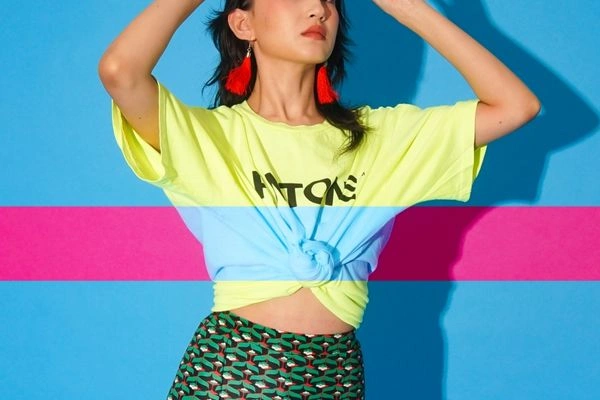
Textural contrast is another hallmark of professional layering. Combining leather, knit, cotton, silk, denim, or faux fur creates visual interest and dimension.
For example, a silk blouse under a chunky knit sweater adds softness against structure. A leather jacket over a cotton shirt introduces contrast while giving an edgy vibe. In cooler weather, pairing a wool coat with a velvet scarf creates depth and warmth while remaining visually engaging.
The key is to avoid textures that compete for attention. Instead, allow one piece to serve as the statement while the others complement it.
Accessorize Strategically
Accessories enhance layered outfits. Scarves, belts, hats, and jewellery can add layers and sophistication. A belt can add structure to oversized sweaters or coats, while a scarf adds warmth and texture. Layering necklaces of varying lengths over a simple top can elevate an otherwise basic outfit.
Footwear also completes the layered look. Boots, sneakers, or heels can anchor layers and reinforce style intent. Matching footwear to the overall vibe ensures cohesion.
Bags are another functional accessory that can complement layered outfits. Structured bags add polish to casual layers, while slouchy totes match relaxed, oversized layering.
Layering for Different Seasons
Cooler Months
In cooler months, start with a fitted base, add a sweater or shirt, and finish with a coat or jacket. Accessories such as scarves, gloves, and hats can accentuate layers and provide warmth.
Spring and Autumn
Spring and autumn allow more flexibility. Lightweight jackets, vests, or open cardigans over shirts or dresses add a layer without overheating. Rolling up sleeves or unbuttoning layers adds casual elegance.
Summer
Summer layering is subtler. Lightweight fabrics and thin layers are ideal. A slip dress over a tee or a kimono over a tank adds dimension while remaining breathable. Accessories such as hats or lightweight scarves can act as seasonal layering accents.
Layering for Work and Professional Settings
Professional layering balances style with formality. Start with fitted, clean-cut base layers such as blouses, button-downs, or slim turtlenecks. Middle layers like tailored blazers or light sweaters add polish. Outer layers, such as trench coats or structured overcoats, add sophistication.
Neutral colours like black, white, navy, grey, and beige are staples for professional layering. Accessories should remain subtle: a classic watch, small earrings, or a belt can refine the look. Combining tailored pieces with soft textures or patterns creates a professional yet approachable appearance.
Layering for Casual Outfits
Casual layering allows more freedom. Jeans, t-shirts, sweatshirts, oversized cardigans, and utility jackets can be combined creatively. Mixing casual textures such as denim, cotton, and knitwear creates a relaxed, lived-in vibe.
Graphic tees under blazers or leather jackets add an edge, while hoodies layered under trench coats or denim jackets create street-style appeal. Casual layering encourages experimentation with colours, patterns, and accessories.
Layering for Evening and Special Occasions
Evening layering prioritises elegance. Silk camisoles under tailored blazers, fitted dresses under long coats, or statement jackets over sleek outfits provide sophistication. Metallic accents, satin textures, and jewellery-inspired accessories elevate the layered ensemble for formal events.
Colour coordination is significant for evening looks. Monochrome palettes, jewel tones, or subtle metallics maintain elegance while allowing layered textures to shine.
Layering Tips From Stylists
-
Start small and build: Begin with a fitted base and add layers one at a time to ensure balance.
-
Use proportions strategically: Pair oversized pieces with fitted garments to maintain shape.
-
Mix textures and patterns carefully: Combine different fabrics and subtle patterns for depth.
-
Add functional accessories: Scarves, belts, and hats enhance layers while serving a purpose.
-
Consider colour harmony: Neutral bases with pops of colour keep outfits fresh without clashing.
-
Think about movement: Layers should allow comfort and flexibility. Avoid bulk that restricts motion.
Common Layering Mistakes to Avoid
Layering can fail if done without intention. Common mistakes include:
-
Ignoring proportion: Wearing all oversized or all tight pieces creates an imbalance.
-
Clashing colours and patterns: Random combinations can feel chaotic rather than curated.
-
Over-accessorising: Too many accessories distract from the layered clothing.
-
Neglecting texture: Similar textures across layers can make outfits flat.
-
Skipping functional consideration: Layers that are uncomfortable or restrictive defeat the purpose.
By avoiding these pitfalls, layering can become a stylish, practical tool rather than a cumbersome task.
Transform Wardrobes with Style and Confidence
Layering outfits is a skill that transforms wardrobes. It allows for adaptability, self-expression, and polished style. By understanding the principles of base, middle, and outer layers, balancing proportions, playing with texture and colour, and accessorising thoughtfully, layered outfits can look intentional and curated.
Whether for casual days, professional settings, or formal occasions, layering adds dimension, comfort, and versatility. The ability to layer like a stylist ensures that every piece in a wardrobe is used to its fullest and that each outfit feels unique, stylish, and expressive. Mastering layering is not about complexity; it is about thoughtful combinations, harmony, and confident execution.
Layering is not just a technique; it is an opportunity to tell a story through clothing, blending personality, practicality, and style.


