


Portable gaming has grown into a thriving market as technology advances and gamers want powerful experiences on the go. In 2026, the landscape includes a wide range of devices that deliver high performance, immersive displays, long battery life, and strong game libraries. Whether players are looking for handheld consoles, gaming‑focused tablets, or laptops that fit in a backpack, this guide highlights the best portable gaming devices available this year. The article includes global brands, standout products, key features to consider, and practical advice to help players decide which gaming hardware fits their style and budget.
This comprehensive article draws on the latest reviews, industry news, and user feedback. It covers flagship devices from Nintendo, Sony, Valve, ASUS, and more. The overview also explores relevant trends in portable gaming, the rise of cloud gaming, and which features matter most.
Why Portable Gaming Matters
Mobile and portable gaming continue to surge in popularity. Gamers value the flexibility to play anywhere, from commuting to travel to laid‑back sessions at home. Portable devices now rival traditional consoles and desktop systems, thanks to powerful processors, advanced graphics, and access to extensive game libraries. In addition, improvements in cloud gaming services have expanded what portable hardware can do without demanding ultra‑high local specs. Services such as Xbox Cloud Gaming and NVIDIA GeForce Now allow gamers to stream high‑end titles to lightweight devices, creating new opportunities for play beyond local storage.
Demands for portability have increased alongside broader trends in digital entertainment. Game developers are optimizing titles for diverse screens and input methods. Manufacturers are investing in hardware that supports both casual games and competitive online titles. The result is a vibrant ecosystem of portable gaming devices suited to a wide range of players.
What to Look For in a Portable Gaming Device
Choosing the right portable gaming device involves balancing power, size, battery life, display quality, game library, and price. Below are some key factors to consider before shopping.
Performance and Graphics
Performance determines how smoothly games run and what graphical fidelity a device can support. Look for powerful processors, dedicated graphics units, and enough RAM to handle modern titles. Many portable gaming handhelds and mini‑gaming PCs now use desktop‑level components in compact form factors.
Display Quality
Display size, resolution, refresh rate, and brightness all shape the gaming experience. Higher refresh rates, such as 120Hz, deliver smoother gameplay, while larger screens provide more immersive visuals. HDR support and wide color gamuts also improve picture quality.
Battery Life
Portable gaming means unpredictability in power availability. Strong battery life keeps play sessions going on the move. Devices with efficient cooling and adaptive power modes help extend battery runtime.
Game Library and Platform Support
The size and quality of a game library matter. Some devices offer exclusive titles and first‑party games. Others allow access to multiple storefronts, including digital marketplaces, cloud gaming services, and emulation options. Compatibility with popular gaming ecosystems broadens players’ options.
Input and Controls
Controls should feel comfortable during long gaming sessions. Ergonomic layouts, responsive buttons, joysticks, haptic feedback, and support for optional accessories all contribute to better gameplay. Some devices support detachable controllers or Bluetooth pairing with peripherals.
8 Best Portable Gaming Devices
Here are the standout portable gaming devices that gamers should consider in 2026. These systems represent the best in performance, innovation, and user satisfaction across different price points.
1. Nintendo Switch 2

Nintendo continues to dominate portable gaming with the Nintendo Switch 2. Released as the successor to the original Switch and OLED model, the Switch 2 builds on the hybrid concept that made the series successful.
Key Features
- Hybrid Design: Play in handheld mode, docked to a TV, or tabletop mode.
- Improved Performance: Enhanced CPU and GPU for smoother gameplay and better load times.
- Exclusive Games: Access to beloved franchises such as Mario, Zelda, Metroid Prime, and Animal Crossing.
- Joy‑Con Controllers: Detachable joy‑cons with motion control and HD rumble.
The Switch 2 retains broad appeal due to its strong library of exclusive titles and flexibility for casual and dedicated gamers alike. Nintendo’s first‑party support ensures a steady stream of new releases that keep the platform relevant.
Why It Matters
The Switch 2 is ideal for families, casual players, and fans of Nintendo’s iconic franchises. Its hybrid nature makes the device adaptable to many play styles, from quick handheld sessions to full‑screen TV gaming.
2. Steam Deck 2
.png)
Valve’s Steam Deck 2 builds on the success of the original Steam Deck with hardware improvements designed for smoother performance and wider compatibility with PC titles.
Key Features
- PC‑Level Hardware: Custom AMD APU for strong performance with AAA PC games.
- SteamOS Integration: Seamless access to the Steam library and cloud save features.
- Large Display: A sharp, high‑refresh display for detailed visuals.
- Docking Support: Connect to external monitors and accessories for desktop gaming.
Steam Deck 2 continues to blur the line between PC and handheld consoles by letting gamers play their entire Steam library on the go.
Why It Matters
For PC gamers who want portability without sacrificing access to their favorite titles, the Steam Deck 2 is unmatched. It supports extensive libraries, modding communities, and productivity features such as web browsing and media playback.
3. ASUS ROG Ally Pro

ASUS brings PC gaming to handheld form with the ROG Ally Pro. This device targets gamers who want desktop‑grade power in a portable package.
Key Features
- Windows 11 OS: Full desktop experience with access to Epic Games, Steam, Xbox app, and more.
- Z‑Series CPU: Next‑generation processor for high‑performance gaming.
- Custom Display: Bright, high-refresh-rate display for competitive gaming.
- ROG Ecosystem: Integration with ASUS gaming accessories and software.
The ROG Ally Pro is ideal for gamers who want the flexibility of a Windows PC with the handheld performance of a gaming device. Its powerful hardware ensures compatibility with demanding titles while supporting cloud gaming services.
Why It Matters
By combining Windows and portable hardware, ASUS appeals to players who want productivity and gaming in one device. The ROG Ally Pro supports AAA games, emulators, and creative apps, making it a versatile choice for creators and players alike.
4. Lenovo Legion Go

Lenovo’s Legion Go earns praise as a well‑rounded portable gaming device with strong performance, ergonomic design, and solid battery life.
Key Features
- Snapdragon G‑Series Processor: Optimized for gaming workloads.
- Detachable Controllers: Joy‑con‑style modules for portable flexibility.
- Vivid Display: Large screen with rich colors and responsive touch controls.
- Cloud Gaming Support: Compatible with Xbox Cloud Gaming and other streaming platforms.
The Legion Go blends Android flexibility with high-performance hardware and cloud gaming, offering a versatile experience for both local and streamed games.
Why It Matters
Lenovo’s Legion Go appeals to gamers who value flexibility and cloud integration. Its detachable controllers and balanced performance make it suitable for both casual sessions and marathon gaming.
5. Razer Edge Pro

Razer enters the portable gaming market with the Razer Edge Pro, designed for gamers who want premium performance and seamless PC game access on the go.
Key Features
- Windows Gaming Tablet: Full access to PC games and services.
- Expandable Storage: SSD options up to 2TB for large game libraries.
- Razer Software Suite: Support for Razer Cortex and other gaming utilities.
- High‑Quality Audio: Front‑facing speakers and optimized sound for immersive gameplay.
Razer’s portable device targets users who want to carry their PC gaming experience wherever they go without relying solely on cloud streaming.
Why It Matters
For players who already invest in PC gaming, the Razer Edge Pro provides a portable extension of that ecosystem. Its combination of storage capacity, Windows compatibility, and gaming features makes it a powerful choice for serious gamers.
6. Apple iPad Pro for Gaming

While not a dedicated gaming device, the Apple iPad Pro remains a powerful contender in portable gaming. Its performance, display, and app ecosystem give it a unique position in the market.
Key Features
- M‑Series Chips: Apple’s M3 or later chips deliver strong performance for games and creative apps.
- Large Liquid Retina Display: High resolution and color accuracy for immersive visuals.
- Game Pass and Cloud Support: Compatible with Xbox Cloud Gaming via web and third‑party apps.
- MFi Controller Support: Works with PlayStation and Xbox controllers for console‑style control.
The iPad Pro combines tablet versatility with gaming capabilities, making it suitable for both entertainment and productivity.
Why It Matters
For gamers who also want a device that supports creativity, media consumption, or productivity, the iPad Pro offers a balanced experience. Its large screen and powerful hardware make it suitable for a wide range of games from mobile titles to streamed AAA experiences.
7. ASUS ROG Phone 8 Ultimate
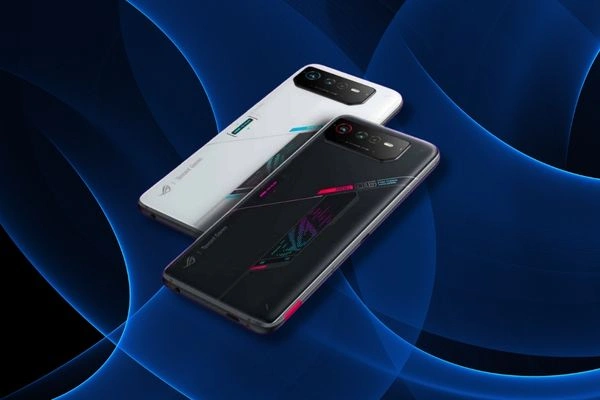
Mobile gaming on phones continues to grow, and devices such as the ASUS ROG Phone 8 Ultimate stand out for players who want top‑tier performance in a handheld form factor.
Key Features
- Gaming‑Focused SoC: Snapdragon flagship chip optimized for gaming.
- AirTrigger Controls: Touch‑sensitive zones for enhanced control.
- Advanced Cooling System: Keeps temperatures stable under load.
- High Refresh Rate Display: Ultra‑smooth gameplay on a vibrant screen.
The ROG Phone series targets gamers who prefer a smartphone but want hardware tuned for gaming without compromise.
Why It Matters
Smartphone gamers benefit from the ROG Phone’s gaming‑centric design, longer software support, and accessories such as clip‑on controllers. It combines everyday smartphone functionality with gaming power.
8. PlayStation Portal Remote Player
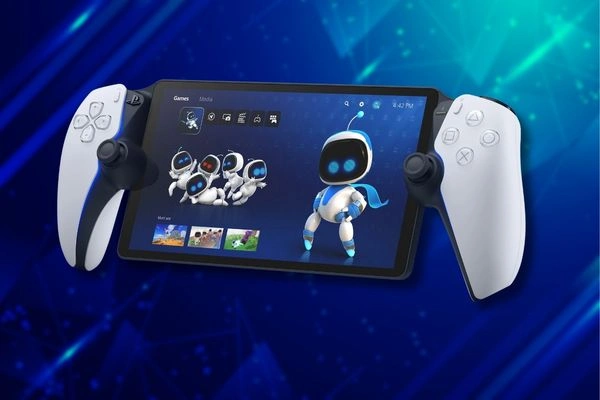
Sony’s PlayStation Portal Remote Player focuses on cloud gaming by streaming PlayStation 5 games over Wi‑Fi. It lacks local game storage, but it is designed for players who want portable access to their PS5 library.
Key Features
- Official PlayStation Streaming: Access PS5 titles via Remote Play.
- DualSense‑Style Controls: Familiar layout with adaptive triggers and haptic feedback.
- High Resolution Screen: Crisp visuals for immersive play.
- Compact Form Factor: Easy to carry and pair with existing PS5 accounts.
This device is ideal for gamers already invested in PlayStation who want access to their games away from the TV.
Why It Matters
By focusing on cloud and remote play, the PlayStation Portal offers flexibility without requiring local hardware. It is a strong choice for PlayStation fans who want portable access to their existing library.
Game Library and Ecosystem Considerations
Choosing the right device involves more than hardware specs. The game library and ecosystem are what keep players engaged long term.
Nintendo Game Library
Nintendo platforms support exclusive franchises such as Mario Kart, Zelda, Pokémon, and Metroid, offering curated gaming experiences that appeal to players of all ages.
Steam Catalog
Devices like the Steam Deck 2 and handheld Windows systems give access to thousands of PC games, including indie titles, major AAA releases, and community mods.
Android and iOS Libraries
Android gaming devices and tablets like the ROG Ally or iPad Pro support extensive mobile game libraries, along with streaming services that expand play options.
Cross‑Platform Play
Many devices now support cross‑platform play, allowing gamers to play with friends regardless of hardware. This feature enhances value and social gaming experiences.
Accessories That Enhance Portable Gaming
Accessories can improve comfort and functionality when gaming on the go.
Portable Controllers
Bluetooth controllers, such as the Xbox Wireless Controller, PS DualSense, and third‑party options like 8BitDo, expand control flexibility for devices like tablets and phones.
Power Banks
High‑capacity power banks help extend gaming sessions, especially for devices with large screens or powerful hardware.
Protective Cases
Slim protective cases guard devices without adding bulk, supporting safe transport for handheld consoles and tablets.
Docking Stations
Some devices support docking to TVs or external displays for larger screen gaming. The Steam Deck 2 and tablets often offer official or third‑party docks.
Trends Shaping Portable Gaming
Several trends influence the direction of portable gaming this year.
Cloud Gaming Integration
Cloud gaming services such as Xbox Cloud Gaming, NVIDIA GeForce Now, and PlayStation Remote Play enable high‑end gaming without requiring high-end local hardware. This expands gaming libraries and reduces barriers to entry.
Modular and Hybrid Devices
Hybrid devices that adapt to multiple roles enrich gaming ecosystems. Consoles that double as tablets or laptops bridge categories and offer multifunctionality.
Competitive eSports on Portable Platforms
Competitive gaming tournaments now increasingly include portable platforms, with games optimized for handheld and mobile control schemes. This trend broadens opportunities for competitive play beyond traditional PCs and consoles.
Buying Guide by Gamer Type
Choosing the best portable gaming device ultimately depends on personal preferences and how the device will be used.
Casual Gamers
Casual players who want easy access to fun games should consider devices such as the Nintendo Switch 2 or iPad Pro with cloud gaming support. These platforms combine simplicity with broad game libraries.
PC Gamers
Players who want access to their Steam library and PC titles may prefer the Steam Deck 2 or ROG Edge Pro. These devices support full desktop ecosystems and versatile control setups.
Competitive Players
Gamers who enjoy competitive titles may prioritize devices with high-refresh-rate displays and responsive controls, such as the ASUS ROG Ally Pro or the ASUS ROG Phone 8 Ultimate.
Console Fans
Those invested in console ecosystems can expand their play with the PlayStation Portal Remote Player or choose portable consoles from brands that support exclusive titles.
Finding the Right Portable Gaming Device for Every Gamer
Portable gaming devices offer more power, versatility, and opportunity than ever before. Advances in processing power, graphics performance, display technology, and cloud gaming combine to create a rich ecosystem of hardware options. Whether players prefer handheld consoles like the Nintendo Switch 2, PC‑oriented devices such as the Steam Deck 2, or multifunction devices like the iPad Pro, there is a portable gaming system suited to every lifestyle and budget.
Gaming is increasingly mobile, social, and immersive. Choosing the right portable gaming device involves understanding how each platform serves play habits, game libraries, and performance expectations. By considering the strengths of each option, players can find the best fit and enjoy gaming anywhere with power and convenience.


