


As smartphones become more advanced, the iphone vs android debate continues to influence how consumers choose devices that best match their needs and preferences. In 2026, this discussion remains highly relevant as both platforms evolve with new features, stronger performance, advanced camera systems, and refined user experiences. This guide explores iphone vs android in detail, comparing the latest flagship models and examining key differences in performance, camera quality, ecosystem integration, software support, privacy, and overall value for money. By reviewing these factors side by side, the article helps readers decide which smartphone platform is the best fit for their lifestyle.
The Evolution of Smartphones
Smartphones have advanced rapidly since the launch of the first iPhone in 2007 and the emergence of Android shortly afterward. Today, both iPhone and Android deliver powerful computing capabilities, sophisticated cameras, long battery life, and seamless connectivity. The evolution of mobile technology has also pushed both ecosystems to innovate in software features such as artificial intelligence support, augmented reality, security protections, and integration with other smart devices. Recent developments include on-device intelligence for predictive user behavior, improved low-light photography, and enhanced sustainability initiatives.
Android’s open platform supports many manufacturers such as Samsung, Google, OnePlus, and Xiaomi, while Apple tightly controls both hardware and software for the iPhone. These philosophical differences influence how each platform evolves and how users experience daily smartphone interactions.
iPhone in 2026: What’s New
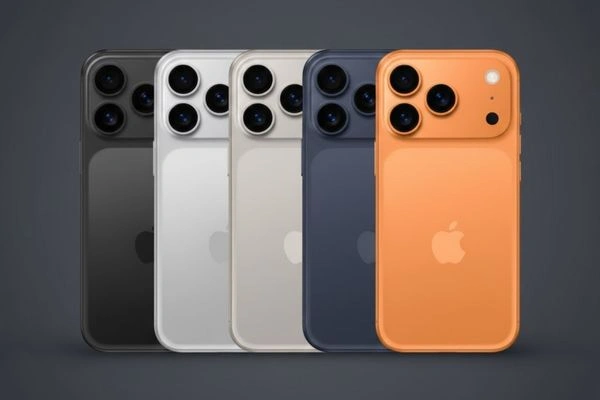
Apple continues to refine the iPhone experience with the iPhone 17 series and related models such as the iPhone 17 Pro and iPhone 17 Pro Max. These devices showcase Apple’s focus on performance, camera innovation, and ecosystem integration.
Design and Display
The iPhone 17 models feature streamlined designs with durable materials, including Ceramic Shield and aerospace-grade aluminum or stainless steel on Pro models. Displays have become brighter with improved refresh rates for smoother scrolling and responsiveness. Apple continues to use ProMotion technology for adaptive refresh rates up to 120Hz, delivering fluid animations and enhanced gaming performance.
Performance and Chip Technology
Apple’s custom silicon remains a defining advantage. The A19 Bionic chip, found in the latest iPhone 17 Pro and iPhone 17 Pro Max, delivers exceptional performance while maintaining efficiency. This advanced system-on-a-chip combines high-performance CPU and GPU cores, a powerful neural engine for on-device machine learning, and optimized power usage. Benchmarks consistently show iPhone models leading in raw performance and sustained workloads, particularly for creative tasks such as video editing, gaming, and augmented reality applications.
Camera Capabilities
Photography and videography are major strengths for iPhones. The iPhone 17 Pro and 17 Pro Max build on Apple’s computational photography engine with 48MP dual-fusion cameras, improved optical zoom, and enhanced low-light performance. Pro models support advanced video recording capabilities, including ProRes capture and cinematic video modes, appealing to both enthusiasts and content creators.
iOS and Software Experience
iOS 18 delivers intuitive navigation, seamless device connectivity, and deep integration with services such as Apple Fitness+, Apple Music, and iCloud. Features such as on-device intelligence help with predictive text, image organization, and context-aware suggestions. Privacy protections remain a cornerstone of iOS, giving users control over app permissions and data access.
Ecosystem Integration
Apple’s ecosystem continues to be a major draw. Users benefit from features such as Continuity, which enables seamless handoff between iPhone, iPad, Mac, and Apple Watch. The Find My network, AirDrop, and Universal Control enhance productivity and convenience when using multiple Apple devices together.
Android in 2026: What’s New
Android continues to evolve as a flexible and powerful platform supported by a wide range of manufacturers. Flagship Android devices remain highly competitive with the latest releases from brands such as Samsung Galaxy S24 and S25 series, Google Pixel 8 and Pixel 8 Pro, OnePlus 12, and Xiaomi 14 Ultra.
Design and Display
Many Android flagships have adopted premium materials and near-edge-to-edge displays with high refresh rates up to 144Hz. Innovations in display technology include advanced OLED panels with improved color accuracy and brightness. Foldable Android devices such as the Samsung Galaxy Z Fold 5 and Z Flip 5 showcase the platform’s innovation in form factors, offering tablets in pocket-friendly sizes.
Performance and Customization
Android devices use a variety of processors depending on the brand and price tier. Samsung uses its Exynos chips in some regions and Qualcomm Snapdragon chips in others, while Google uses its Tensor chip designed for AI-centric tasks. OnePlus and Xiaomi leverage Snapdragon’s latest flagship silicon for top-tier performance. Android excels in customization, allowing users to tailor their experience through widgets, launchers, themes, and deeper system modifications without requiring developer tools.
Camera Capabilities
Android devices often push boundaries in camera hardware with high-resolution sensors, periscope zoom lenses, and advanced night modes. The Google Pixel 8 Pro is repeatedly praised for its computational photography, delivering crisp photos even in challenging lighting conditions. Meanwhile, the Samsung Galaxy Ultra series offers telephoto capabilities with strong optical zoom performance. Xiaomi’s Ultra models also impress with high megapixel counts and versatile lens combinations.
Android and Software Experience
Android 14 and later versions continue to refine the user experience with updated privacy controls, multitasking enhancements, and optimized battery management. Android’s customizable notifications, built-in translation tools, and tighter seamless compatibility with Google services like Gmail and Google Photos, and Google Assistant contribute to a powerful mobile experience.
Ecosystem and Compatibility
Android’s open ecosystem enables broad compatibility with third-party accessories, services, and app stores. Many Android manufacturers also offer cross-device features such as linking with Chromebooks, smart TVs, and wearables. Samsung’s ecosystem includes Galaxy Watch, Galaxy Buds, and SmartThings for connected home control. Pixel devices often showcase exclusive Google features first, such as advanced AI tools and improved voice recognition.
Performance Comparison
Speed and Efficiency
Apple’s A-series chips often lead in single-core performance, making iPhones exceptionally responsive for tasks such as gaming and creative workflows. Android devices with Snapdragon flagship chips also deliver top-tier performance, especially in multi-core and GPU tasks. The real-world difference in everyday use is subtle, with both platforms offering fluid performance across apps, games, and multitasking.
Battery life varies by model and usage patterns. Many Android flagships emphasize large batteries and fast charging with up to 100W wired and 50W wireless support, while iPhones emphasize efficiency that balances battery draw with long screen-on time. Both ecosystems also support adaptive battery features that learn user patterns to extend life.
Camera And Multimedia Performance
Smartphone cameras are now essential tools for everyday life. Both platforms deliver exceptional results, but they emphasize slightly different strengths.
iPhone Cameras
iPhones are consistently praised for color accuracy, reliable exposure, and smooth video capture. Apple’s computational photography engine ensures natural tones and balanced highlights. Video remains a strong point with features such as cinematic video, action modes for stability, and ProRes support for high-quality capture. Audio recording quality also ranks highly, making iPhones favorites for mobile filmmaking.
Android Cameras
Android flagships often offer cutting-edge hardware such as periscope telephoto lenses, ultra-wide sensors, and high megapixel counts. Google’s Pixel lineup is known for its computational photography, which extracts detail through software processing. Samsung’s Ultra models provide industry-leading telephoto zoom and flexible shooting modes for creative control. Xiaomi and OnePlus continue to refine low-light performance and multi-lens versatility.
Overall camera performance remains neck-and-neck, with Android leading in hardware experimentation and iPhone leading in consistent color science and video prowess.
Software And User Experience
User experience is a major differentiator between iPhone and Android.
iOS Experience
Apple’s iOS offers a unified experience with consistent updates for devices over many years. iPhones receive regular software updates, including security patches, for longer periods than most Android devices. The interface focuses on simplicity, privacy controls, and seamless integration with Apple services. Features such as Face ID, Live Text, and built-in privacy reports give iPhone users robust functionality and security.
Android Experience
Android offers flexibility and personalization. Users can customize home screens, change default apps, use widgets extensively, and tailor notifications. Manufacturers provide additional software features on top of core Android, such as Samsung’s One UI enhancements or Google’s Pixel-exclusive tools. However, software update timelines vary by manufacturer, meaning not all devices receive the same longevity as flagship iPhones.
Privacy And Security
Privacy and security continue to shape how consumers judge smartphone platforms.
iPhone Security
Apple places strong emphasis on privacy. App tracking transparency measures encourage users to control which apps can follow activity across services. iCloud encryption, biometric security, and controlled sandboxing make iPhones resilient against many threats. Apple also actively highlights privacy policies and data usage to help users make informed decisions.
Android Security
Android has improved security through features such as granular permission controls, secure folder options, and Google Play Protect, which scans apps for malware. Android’s open nature requires users to stay mindful of app sources, but official app stores and enhanced system protections continue to elevate security standards. Manufacturers also now provide monthly or quarterly security updates, though consistency varies.
Ecosystem And Connectivity
Smartphones are rarely used in isolation today. Both iPhone and Android connect with a wide array of devices and services.
Apple Ecosystem
Apple’s ecosystem remains a central strength. iPhone users benefit from tight integration with Mac computers, iPads, Apple Watch, Apple TV, and AirPods. Features such as AirDrop, Universal Control, and Handoff allow seamless transitions between devices. iCloud ensures that photos, documents, and backups are synchronized with reliability.
Android Ecosystem
Android’s ecosystem is more diverse due to the variety of manufacturers. Samsung users enjoy integration with Galaxy Watch, Galaxy Buds, and SmartThings for smart home control. Google users benefit from deep links with services like Google Photos, Gmail, and Wear OS devices. Android’s compatibility with a variety of hardware gives users flexibility and choice.
Pricing And Value
Cost is a major factor when choosing between the two options, iPhone and an Android device.
iPhone Pricing
Apple positions the iPhone as a premium product with consistent pricing across regions. The iPhone 16 Pro Max models typically sit at the higher end of the price spectrum, justified by performance, camera quality, and longevity. Apple also offers older generations at reduced prices when new models are released, providing value for users who prioritize ecosystem coherence and long-term updates.
Android Pricing
Android devices span a broad range of prices from budget to flagship. While premium Android smartphones like the Samsung Galaxy S25 Ultra or Google Pixel 8 Pro are priced similarly to the iPhone, mid-range Android devices from brands such as OnePlus, Xiaomi, and Motorola offer considerable value at lower prices. This variety gives consumers the flexibility to select a device that matches their budget while still delivering strong performance.
Choosing Between iPhone vs Android
Deciding which platform is better depends on user priorities and personal preferences.
Choose iPhone if:
- You prioritize long-term software updates and security support.
- You want seamless integration with other Apple devices.
- You need consistent camera and video performance.
- You prefer a polished, uniform user experience with strong privacy protections.
Choose Android If:
- You want greater customization and control over your device’s interface.
- You prefer a wider range of pricing options and hardware features.
- You enjoy having multiple-choice options for form factor, innovative features, or foldable designs.
- You use Google services extensively or want a flexible ecosystem.
Future Outlook For Smartphones
The future of smartphones involves deeper integration with artificial intelligence, improved battery technologies, advanced health monitoring, and expanded ecosystem connectivity. Both iPhone and Android platforms are investing in on-device AI for predictive assistance, smarter cameras, and contextual interactions that make devices more intuitive. Foldable and rollable displays, increased sustainability in materials and production, and enhanced privacy mechanisms are also part of the roadmap for future mobile technology.
Making the Right Smartphone Choice for Your Needs
The debate between iPhone and Android continues without a simple winner. Each platform offers compelling advantages tailored to different user needs and lifestyles. iPhone excels in software support, ecosystem integration, and consistent performance, while Android shines with customization, variety, and pricing flexibility. Understanding how each ecosystem aligns with personal preferences helps consumers make informed choices.
Whether choosing iPhone or Android, both platforms push innovation and deliver powerful experiences that extend beyond basic communication to entertainment, creativity, productivity, and daily life. The best choice is the one that best fits a user’s lifestyle, priorities, and values in a rapidly changing digital world.


