


In today’s fast-paced world, fashion is no longer just about aesthetics. It has evolved into a lifestyle practice that blends personal expression, convenience, and strategic thinking. The outfit planning lifestyle is about more than pulling clothes off a rack or matching colors on the fly. It is a thoughtful approach to dressing that saves time, reduces stress, and helps cultivate a personal style that feels authentic and intentional.
This lifestyle encourages deliberate choices about what to wear, when to wear it, and how to mix and match pieces to reflect both personality and practicality. It is rooted in the idea that clothing is not merely functional but also a tool for self-expression and confidence. Those who embrace outfit planning transform their relationship with their wardrobe, shifting from reactive dressing to proactive style management.
Why Outfit Planning Matters
At its core, outfit planning is about preparation and foresight. The benefits extend far beyond looking good. Consider the morning routine, often the most stressful part of the day for many. Deciding what to wear can take anywhere from five minutes to an hour, particularly when a wardrobe feels disorganized or overwhelming. By adopting an outfit planning lifestyle, mornings become calmer and more structured.
Outfit planning also reduces decision fatigue. This psychological concept explains how making too many decisions in a short period can exhaust mental energy. When outfits are pre-planned, fewer decisions are required each day, freeing up energy for work, creativity, or personal projects. This is particularly useful for professionals, creatives, and anyone balancing a busy schedule.
Beyond practicality, planning outfits improves wardrobe utilization. Many people own clothes that rarely get worn because items are forgotten, mismatched, or considered difficult to style. Strategic planning ensures that each piece is integrated into multiple outfits, maximizing the wardrobe’s potential while highlighting individual style.
Building the Foundation: Understanding Personal Style
The first step in adopting an outfit planning lifestyle is understanding personal style. This requires reflection on tastes, lifestyle needs, and wardrobe goals. Some prefer minimalism, focusing on clean lines, neutral tones, and versatile staples. Others embrace eclectic or statement-driven fashion, mixing bold patterns, textures, and colors. Recognizing these preferences is crucial, as outfit planning is not about following trends unthinkingly but curating looks that feel authentic.
A useful exercise is to review past outfits, either through photos or by physically evaluating what is worn most frequently. Patterns emerge, revealing favorite combinations, preferred colors, and silhouettes that work best. From there, planning becomes intentional rather than random.
Understanding lifestyle needs is equally important. Wardrobes should reflect daily routines, including work requirements, social activities, travel schedules, and hobbies. Someone with a corporate job may prioritize tailored blazers, versatile dresses, and polished shoes, while a creative professional might favor comfortable layering, statement accessories, and flexible pieces that transition from studio to evening outings.
The Capsule Wardrobe Approach
Many who embrace outfit planning adopt a capsule wardrobe. A capsule wardrobe is a curated collection of clothing designed to maximize mix-and-match potential while minimizing clutter. Typically consisting of 30 to 50 versatile pieces per season, a capsule wardrobe prioritizes quality over quantity.
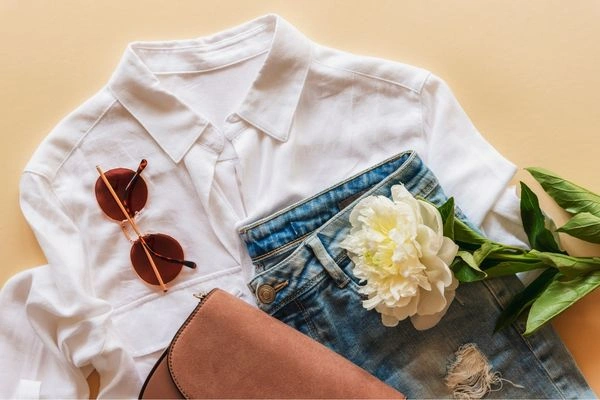
Capsule wardrobe pieces are selected for their versatility, timelessness, and compatibility. Staples like a tailored blazer, classic white shirt, neutral trousers, and well-fitted denim form the foundation. Accessories such as scarves, belts, and statement jewelry provide flexibility for daily styling. By strategically combining these items, dozens of outfits can be created with minimal effort.
The capsule concept also encourages sustainable fashion habits. Reducing impulse purchases and focusing on pieces that serve multiple purposes decreases waste, promotes mindful consumption, and allows for investment in higher-quality items. Celebrities and style influencers increasingly advocate capsule wardrobes as a practical and chic solution for modern living.
Planning Outfits Weekly: Time-Saving Strategies
One of the most effective ways to implement an outfit planning lifestyle is by scheduling a weekly wardrobe review. This involves setting aside a dedicated time each week, such as Sunday evening, to select outfits for the upcoming days. This can include full ensembles or simply coordinating key pieces to ease morning decision-making.
Digital tools can enhance this process. Apps and platforms allow users to photograph outfits, tag items, and create virtual combinations. This makes experimenting with new looks risk-free and provides a visual catalog for future inspiration. For those who prefer analog methods, a physical wardrobe journal can serve the same purpose, helping track which items were worn and in what combination.
Outfit planning can also integrate weather forecasts, upcoming events, and travel schedules. By aligning wardrobe choices with anticipated conditions and occasions, the likelihood of last-minute scrambling or unsuitable outfit choices is reduced.
Accessorizing and Styling
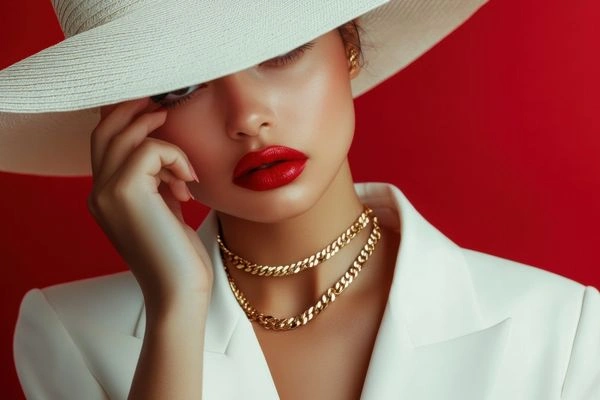
Accessories play a pivotal role in the outfit planning lifestyle. They allow a simple base outfit to be transformed into multiple looks with minimal effort. Belts, scarves, handbags, jewelry, and hats can elevate casual attire into something more polished or formal.
For example, a plain white shirt and tailored trousers can be styled differently with a statement necklace for a dinner outing, a silk scarf for a creative meeting, or a structured blazer for professional settings. Footwear also dramatically influences the tone of an outfit. Classic loafers, stylish sneakers, or elegant boots can shift a single outfit’s mood entirely.
Layering is another powerful tool. Jackets, cardigans, and vests create visual interest and offer adaptability for fluctuating weather. Strategic layering allows one to wear the same base outfit multiple times while feeling fresh and different each day.
Outfit Planning for Travel
Travel presents a unique challenge and opportunity for outfit planning. A lifestyle centered around thoughtful dressing makes packing for trips simpler and more efficient. By creating travel-specific capsules, only necessary items are brought along, reducing luggage weight while maintaining style versatility.
Packing cubes, outfit planning checklists, and digital wardrobe apps can facilitate pre-trip organization. Outfits can be preassembled for each day of a vacation or business trip, factoring in climate, activities, and special events. This approach reduces stress and ensures every piece serves a purpose, preventing overpacking and unnecessary purchases.
Travel-friendly outfit planning also embraces multifunctional pieces. A versatile blazer that transitions from a daytime meeting to an evening dinner, or a pair of shoes that balances comfort and style, becomes essential for a streamlined travel wardrobe.
Mindset Shifts and Lifestyle Benefits
Adopting an outfit planning lifestyle is more than organizing clothes; it fosters a broader mindset of intentional living. Thinking ahead and making deliberate choices encourages clarity, reduces stress, and enhances confidence. Dressing with intention communicates self-respect and helps others perceive a sense of polish and reliability.
Many find that outfit planning extends beyond the wardrobe, influencing other areas of life. Meal planning, work scheduling, and home organization all benefit from the same proactive and structured mindset. The lifestyle is about creating systems that simplify daily living while amplifying creativity and personal expression.
Case Studies: How Celebrities Plan Outfits
Several celebrities have embraced versions of this lifestyle, demonstrating its effectiveness. Victoria Beckham, for instance, is known for her carefully curated wardrobe. Each piece is strategically chosen to mix, match, and create multiple looks, allowing her to maintain a polished appearance daily without overcomplicating her routine.
Similarly, Harry Styles often combines vintage and contemporary pieces to create a distinctive, versatile aesthetic. His approach emphasizes the importance of knowing what works, experimenting within a defined palette, and embracing signature items that reflect personal identity.
Influencers on platforms like Instagram and TikTok often showcase “week of outfits” planning, highlighting how they combine clothing items, accessories, and layering to create fresh looks for every day. This not only inspires followers but also demonstrates the practicality and creativity inherent in the outfit planning lifestyle.

Tools and Resources for Outfit Planning
Several tools can support outfit planning, ranging from apps to simple wardrobe journals:
- Digital wardrobe apps: These allow users to photograph, categorize, and virtually combine pieces, providing a visual reference for styling.
- Calendar integration: Pairing planned outfits with a digital calendar ensures preparation aligns with scheduled events.
- Clothing rotation trackers: Track which items are worn frequently to maximize use and prevent neglect.
- Shopping guides: Keep a wishlist or catalog of desired items to fill gaps in the wardrobe strategically, avoiding impulse purchases.
- Styling inspiration platforms: Pinterest boards, Instagram profiles, and fashion blogs can provide fresh ideas for combinations and seasonal trends.
By combining these tools with a disciplined approach, outfit planning becomes efficient, creative, and fun rather than burdensome.
Sustainability and Mindful Consumption
A significant benefit of outfit planning is its alignment with sustainable fashion practices. By thoughtfully selecting clothing, maximizing existing wardrobe items, and resisting unnecessary purchases, environmental impact is reduced.
The lifestyle encourages quality over quantity. Investing in durable, versatile pieces reduces waste and promotes a more conscious approach to fashion. Additionally, pre-planned outfits decrease the temptation to buy trendy items impulsively, promoting a more intentional and eco-conscious wardrobe.
Many who embrace outfit planning also explore second-hand and vintage shopping, discovering unique, high-quality pieces while supporting circular fashion initiatives. These choices reinforce both style individuality and sustainability goals.
Overcoming Common Challenges
Adopting an outfit planning lifestyle may initially seem daunting. Common challenges include a cluttered wardrobe, limited awareness of personal style, or feeling uninspired by existing pieces. These obstacles can be addressed systematically:
- Start small, planning a few key outfits each week.
- Declutter the wardrobe, donating or selling unused items.
- Experiment with new combinations to rediscover forgotten favorites.
- Gradually build a capsule wardrobe with versatile staples and statement pieces.
- Track outfits to identify patterns and learn which combinations work best.
Consistency is key. Over time, outfit planning becomes second nature, transforming not only wardrobe management but also confidence and lifestyle efficiency.
How Outfit Planning Elevates Style and Simplifies Life
The outfit planning lifestyle is a powerful approach to modern fashion. It merges practicality, creativity, and personal expression, transforming the way clothing is perceived and worn. By embracing this approach, mornings become smoother, decisions easier, and style more intentional.
From capsule wardrobes to travel planning, accessories, and digital tools, the lifestyle offers numerous strategies for making the most of every wardrobe. Beyond fashion, it cultivates habits of foresight, organization, and mindful living that extend into other areas of life.
Ultimately, outfit planning is about freedom. Freedom from last-minute stress, wasted purchases, and uninspired dressing. It empowers individuals to define their aesthetic, communicate personality, and approach each day with confidence. In a world where style and practicality increasingly intersect, the outfit planning lifestyle is not just a trend but a transformative way of living.


